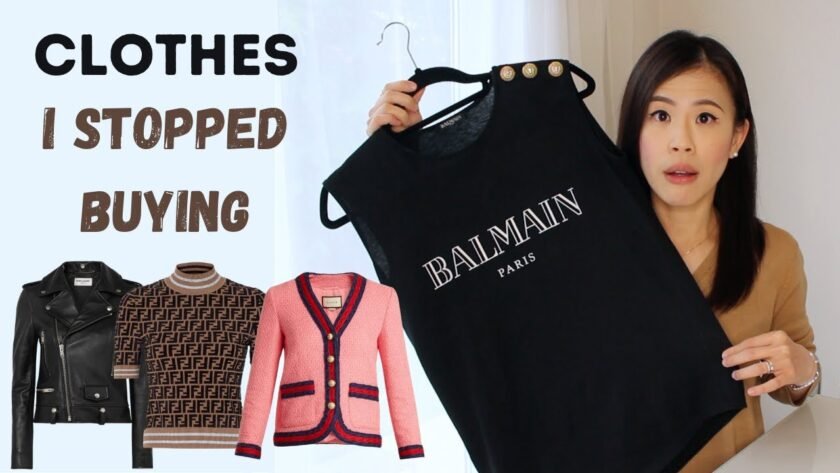
In a world where consumerism reigns supreme, where endless aisles tempt us adn where new trends emerge at an unrelenting pace, the idea of stopping buying clothes may seem like an unfathomable feat. However, for a growing number of peopel, it has become a conscious choice, a step towards sustainability, a quest for minimalism, or simply a desire to break free from the shackles of our wardrobes. This article will delve into the motivations, challenges, and transformative journey of those who have embarked on a path of conscious clothing consumption, exploring the reasons behind their decision to “stop buying clothes.”
– The Psychological Impact of Acquisition Cessation
The Psychological Impact of Acquisition Cessation
Halting the acquisition of material goods can trigger a profound psychological shift. Initially, the experience can be liberating, as the release from the constant pursuit of material possessions creates a sense of lightness and simplicity. However, as time progresses, the absence of acquisition can lead to unexpected emotions and challenges. Feelings of deprivation and boredom may surface as the mind becomes accustomed to living without the dopamine rush associated with new purchases. Moreover, the cessation of acquisition can force individuals to confront their underlying values and priorities, leading to a reevaluation of self-identity and the meaning of fulfillment. A table below summarizes these psychological impacts:
| Psychological Impact | Description |
|—|—|
| Liberation | Initial sense of lightness and simplicity as the pursuit of material goods is released. |
| Deprivation | Disappointment and frustration from being without new purchases. |
| Boredom | The mind becomes accustomed to living without the stimulation of new acquisitions.|
| Existential Crisis | Acquisition cessation can force individuals to confront their values and purpose, leading to a reevaluation of self-identity. |
– Practical Solutions for Reducing Wardrobe Consumption
Practical Solutions for Reducing Wardrobe Consumption
To curb excessive consumption, one can explore inventive approaches. Host or attend clothing swaps to exchange gently used items with friends or neighbors. Rent designer pieces through subscription services for special occasions,reducing the need for costly permanent purchases. Shop second-hand at thrift stores or online marketplaces for unique,affordable,and sustainable finds. Additionally, consider capsule wardrobes, comprising a limited number of versatile pieces that can be mixed and matched, minimizing the need for excessive shopping.
– Embracing Sustainable and Ethical Fashion Practices
Embracing Sustainable and Ethical Fashion Practices
Sustainable and ethical fashion practices are gaining traction as consumers become increasingly aware of the environmental and social impacts of their clothing choices. To minimize these impacts, consider these steps:
- Choose natural and biodegradable materials: Opt for fabrics such as cotton, linen, wool, and organic cotton, which degrade naturally.
- Invest in quality garments: Purchase well-made,durable clothing that will last longer and reduce your overall consumption.
- Support sustainable brands: Research brands committed to transparency, ethical manufacturing, and environmental protection.
- Repair and reuse: Don’t discard damaged clothing; rather, repair or repurpose it to extend its lifespan.
- Donate or sell unwanted clothing: Declutter your wardrobe by donating gently used items to charities or selling them to extend their useful life.
– Redefining Identity and Value in a Post-Consumerism Era
The Hidden Impact of Fashion on Identity and Value
Far beyond the obvious environmental impact, the relentless pursuit of new clothes has profoundly influenced our sense of identity and value. In a post-consumerism era, it’s time to question these ingrained notions.Our wardrobes have become extensions of our ego, with each purchase promising a fresh start, a new persona to inhabit. Ironically, this perpetual cycle of consumption has led to a diluted and fragmented sense of self.Uncovering False Layers
| Element | Impact |
|—|—|
| Material possessions | Define social status and self-worth |
| Fashion trends | Mold our appearance to fit societal norms |
| Social media | Create a curated image that often diverges from reality |
By shedding the superficial layers imposed by consumerism, we uncover a deeper and more authentic sense of identity. Value is no longer externalized through material possessions but internalised as self-acceptance and connection with others.
To Wrap it Up
As the final stitch of this sartorial journey unravels, we leave you with a thread of reflection. the decision to stop buying clothes can resonate in different ways for each individual,shaping their relationship with consumption,identity,and the planet.
Remember, the journey of mindful consumption is not about restriction or deprivation.It’s about embracing choice, seeking experiences over material possessions, and recognizing that true style is not found in excess, but in authenticity and sustainability.
Let the lessons learned within these pages serve as a gentle nudge towards a more conscious and sustainable wardrobe. May it inspire you to explore the art of mending, upcycling, and supporting ethical fashion.
Ultimately, the true measure of our lives lies not in the size of our closets, but in the footprints we leave on the world.